Kalshi Clone Script Development
Build and launch your own prediction market with real-time event trading, advanced order matching, automated outcome resolution, and scalable trading infrastructure.
What Is a Kalshi Clone Script?
A Kalshi clone script is a customizable software foundation used to build a prediction market platform — a trading venue where users buy and sell "event contracts" tied to the outcome of a real-world event (an economic indicator, an election result, a weather threshold, a sports outcome, and similar binary or multi-outcome events). Each contract typically resolves to a fixed value (commonly $0 or $1) once the underlying event outcome is confirmed, and traders profit from correctly predicting how the market resolves or from trading the price movement of the contract before resolution.
Unlike a simple sports-betting app or a fixed-odds gambling product, a Kalshi-style platform operates as an exchange: it uses an order book and a matching engine so that contract prices are determined by supply and demand between traders, rather than a house setting fixed odds. This distinction matters technically (you need a real matching engine, not a payout calculator) and matters commercially (it changes how the platform is positioned, regulated, and marketed).
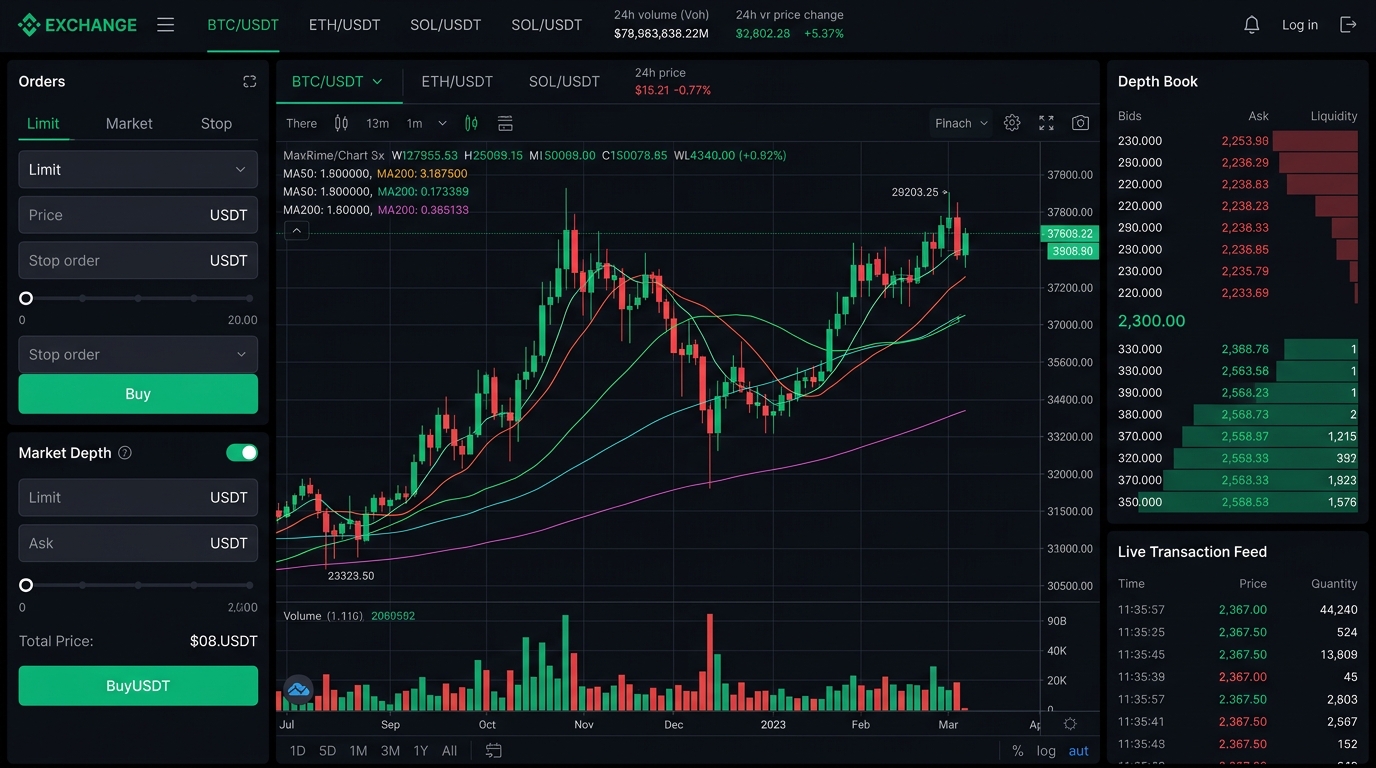
A genuine clone script build includes:
Web & Mobile Trading
Web and mobile trading interfaces with real-time price/order-book updates
KYC / AML
KYC/AML and identity verification integration appropriate to the target jurisdiction
Market & Event Creation
A market/event creation and resolution system, including a defined data source or resolution authority
Prediction Market Core
Matching Engine
A central limit order book (CLOB) or hybrid matching engine for each event contract
Wallet & Settlement
A wallet and settlement layer to hold, move, and release user funds accurately at resolution
Reporting & Compliance
Reporting, audit trails, and compliance logging
Admin & Back-Office
Admin and back-office tooling for market creation, dispute handling, and financial oversight
Why Businesses Are Building Prediction Market Platforms
Interest in Kalshi-style platforms has grown for several concrete business reasons, not just because Kalshi itself has gained visibility:
Event contracts are a distinct asset class
1. Event contracts are a distinct asset class. They let a platform offer trading on outcomes that traditional markets don't price directly — economic data, policy decisions, weather, sports, and cultural events — which opens a product category that isn't directly competing with existing brokerages or sportsbooks.
Retail demand for short-duration trading
2. Retail demand for short-duration, outcome-based trading is rising. Traders increasingly want defined-risk, defined-timeline products where the maximum loss is known upfront (the contract price), which is structurally simpler to understand than leveraged derivatives.
Regulatory clarity has improved
3. Regulatory clarity has improved in specific markets. In the U.S., Kalshi operates as a CFTC-regulated exchange for event contracts, which has demonstrated that a compliant path exists for this asset class in at least some jurisdictions — prompting other founders to explore similar or adjacent models, sometimes in different regulatory frameworks (e.g., licensed derivatives exchanges, licensed gaming jurisdictions, or crypto-native prediction markets).
New revenue line for brokerages
4. Existing brokerages and fintech platforms want a new revenue line. Rather than building an entirely new company, some operators want to add an event-contracts module to an existing trading or fintech product.
Before starting development, a serious buyer should have clarity on:
Which jurisdiction(s) the platform will operate in and what licensing or regulatory framework applies there
Whether the platform will be a licensed/regulated exchange, an offshore-hosted platform, or a blockchain-based/decentralized prediction market
Who or what determines contract outcomes (a licensed exchange function, a manual resolution desk, or an on-chain oracle)
Whether fiat, crypto, or both payment rails are required
Legal & Regulatory Notice: Digitechzo does not provide legal or regulatory advice, and we strongly recommend engaging qualified legal counsel in your target jurisdiction before launch — this is one of the most consequential decisions in the entire project and directly shapes the technical architecture.
Digitechzo's Kalshi Clone Script Development Services
Digitechzo builds prediction market and event-contract trading platforms as a full technical partner — from architecture and matching-engine design through to deployment, launch support, and ongoing maintenance. Our approach treats the platform as what it actually is: a trading exchange, not a betting template.
Core Development Services
Order Matching Engine Development
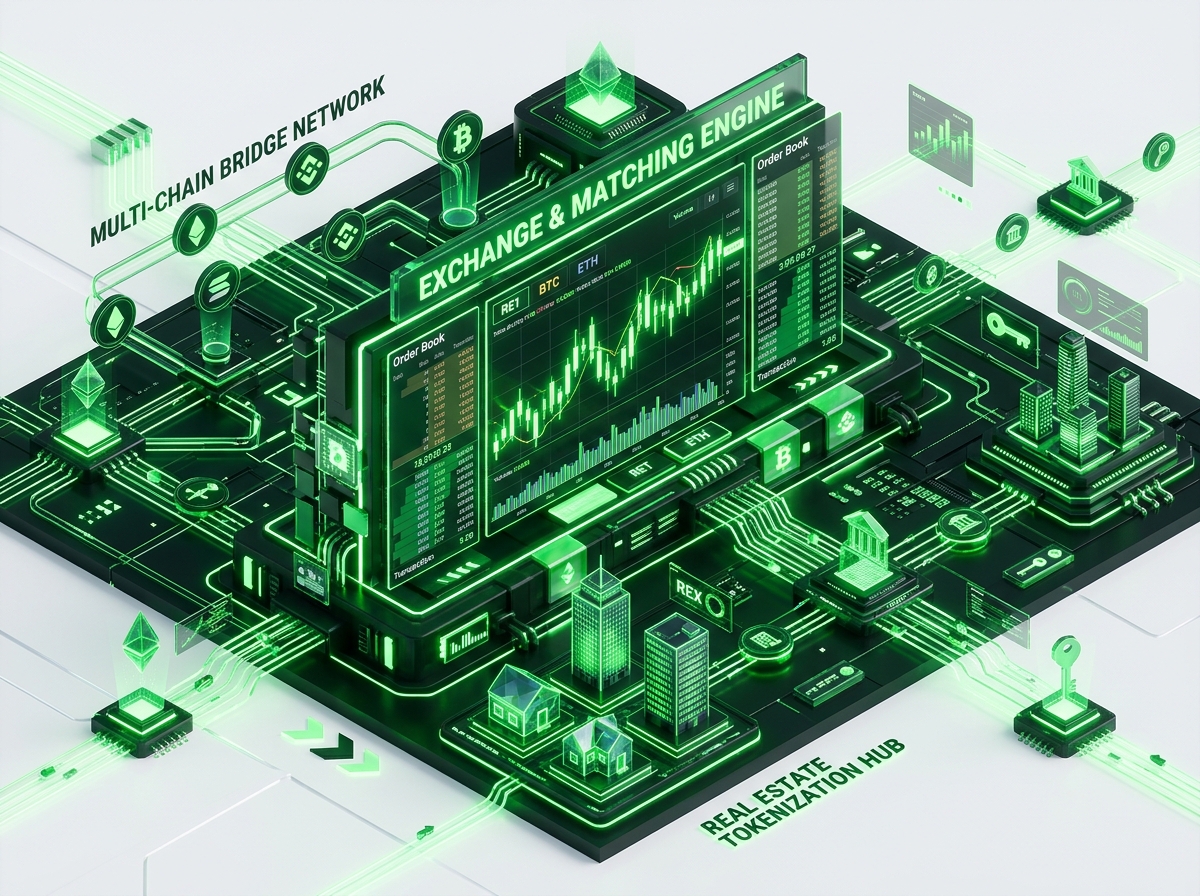
We build a dedicated matching engine capable of handling limit and market orders for event contracts, price-time priority matching, partial fills, and order cancellation — the same category of engine used in standard exchange infrastructure, adapted for binary/multi-outcome contract settlement rather than continuous asset trading.
Market Creation & Resolution System
We design the workflow your team uses to create new event markets (defining the question, resolution criteria, expiration, and settlement source) and the resolution mechanism itself — whether that's an internal resolution desk with documented rules, integration with a licensed data provider, or an on-chain oracle for decentralized markets.
Wallet, Escrow & Settlement Infrastructure
Funds committed to open positions need to be held accurately and released correctly the moment a market resolves. We build the ledger and settlement logic that tracks every user's exposure per market and executes payouts without manual reconciliation errors.
KYC/AML & Compliance Tooling
We integrate identity verification, transaction monitoring, and reporting tools appropriate to your regulatory position — sized appropriately, whether you need light-touch verification for a low-risk jurisdiction or a full compliance stack for a regulated exchange model.
Trading Interface (Web & Mobile)
A responsive web platform and native or cross-platform mobile apps with live order books, price charts, position tracking, and a market discovery/browsing experience designed around how prediction-market traders actually evaluate opportunities.
Admin & Back-Office Dashboard
Tools for your operations team to create and manage markets, monitor liquidity and exposure, handle disputes, manage user accounts and compliance flags, and generate financial and regulatory reports.
API Layer
REST and WebSocket APIs so institutional traders, market makers, or third-party tools can connect programmatically — a feature increasingly expected by serious trading platforms.
Liquidity & Market-Maker Tooling
New event markets often start with thin order books. We can build automated or semi-automated market-making tools that provide baseline liquidity so early markets don't sit empty, along with configurable spread and inventory-risk controls.
Digitechzo's Development Process
We follow a structured, transparent process rather than handing over a pre-built template and calling it complete.
Discovery & Regulatory Scoping
We map your target jurisdiction(s), business model (regulated exchange, offshore platform, or on-chain prediction market), and required payment rails. This determines the entire technical approach, so it happens before any design work.
Architecture & Technical Specification
We define the matching engine design, database and ledger structure, resolution workflow, and infrastructure plan (cloud provider, scaling approach, security architecture) and document it before development begins.
Core Engine Development
The matching engine, ledger, and settlement logic are built and tested first, since every other feature depends on their correctness. Order matching and fund settlement are the parts of the platform that cannot tolerate bugs.
Compliance & Wallet Integration
KYC/AML providers, payment gateways, and (where applicable) crypto wallet or smart-contract integrations are connected and tested against real verification and transaction flows.
Trading Interface & Admin Dashboard Build
Web and mobile front-ends are developed against the working backend, along with the admin tools your operations and compliance team will use daily.
Quality Assurance & Security Testing
We run functional testing, load testing (simulating high-volume order flow), and security testing focused on the areas most likely to be attacked or exploited: authentication, wallet/fund movement, and API endpoints. Where warranted, we recommend a third-party security audit before public launch — a step we consider non-negotiable for any platform that holds user funds.
Deployment & Launch Support
We deploy to production infrastructure, run final verification with real (or sandboxed) transactions, and remain available during the launch window to respond to issues quickly.
Post-Launch Maintenance & Iteration
Prediction market platforms evolve — new market categories, new resolution sources, new compliance requirements. We offer ongoing maintenance and feature development so the platform keeps pace with your business.
Technologies We Work With
Digitechzo selects the technology stack based on your specific requirements rather than forcing every project into one fixed stack. Typical components include:
Backend
Node.js, Go, or Java for high-throughput matching engine services
Real-time layer
WebSocket infrastructure for live order-book and price updates
Database
PostgreSQL or similar relational databases for ledger integrity, combined with in-memory stores (Redis) for order-book performance
Frontend
React or Next.js for web trading interfaces; React Native or native iOS/Android for mobile
Infrastructure
AWS or GCP, containerized deployments, and auto-scaling configurations to handle trading-volume spikes
Blockchain (optional)
Smart contract integration for platforms built as decentralized or on-chain prediction markets, including oracle integration for outcome resolution
Payments
Fiat payment gateway integration and/or crypto payment rails depending on your model
Compliance
Integration with established KYC/AML and identity verification providers
Security & Risk Considerations
A prediction market platform holds user funds and determines financial outcomes, which makes it a high-value target. Digitechzo builds with the following priorities:
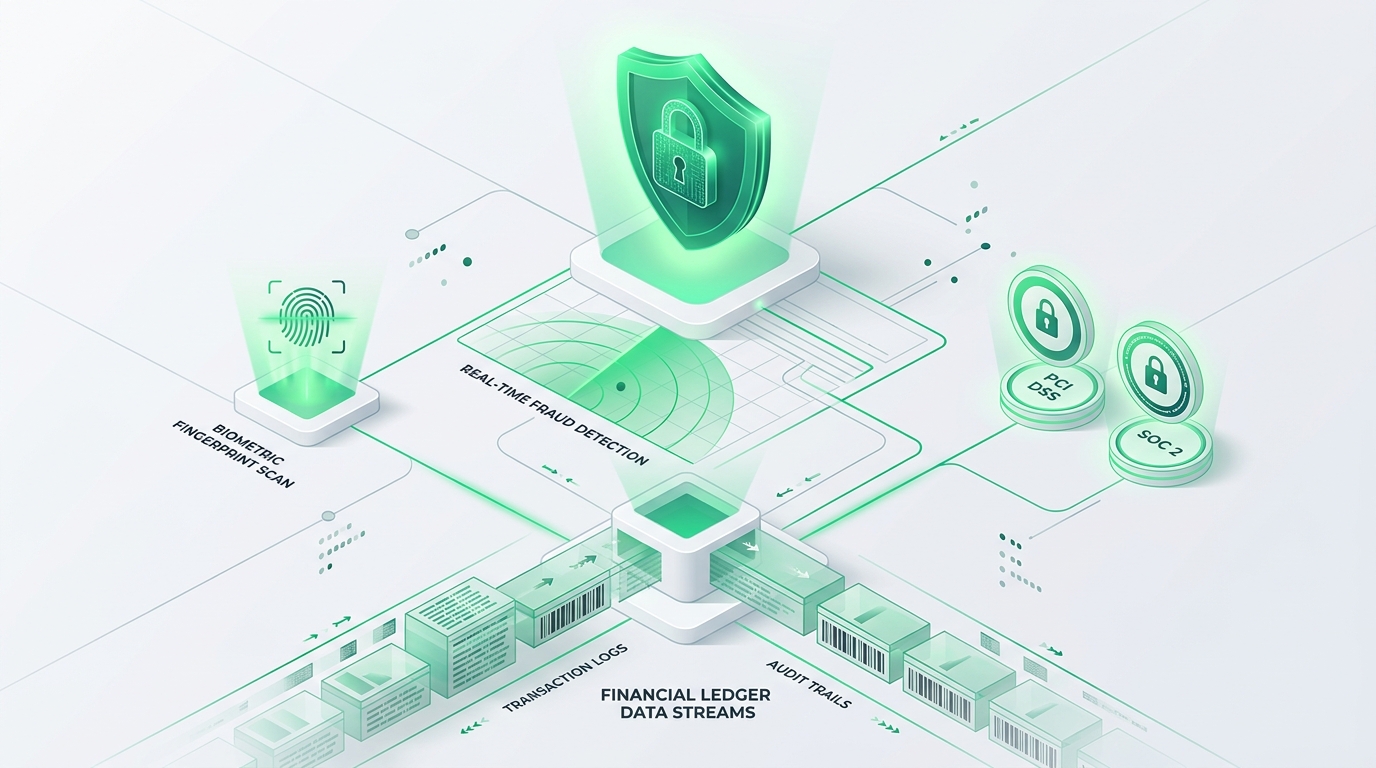
We are direct with clients about risk: no platform is "unhackable," and any vendor claiming otherwise is not being straightforward with you. Our goal is to reduce risk to an industry-appropriate standard through defense-in-depth, testing, and honest disclosure of residual risk areas.
Scalability Considerations
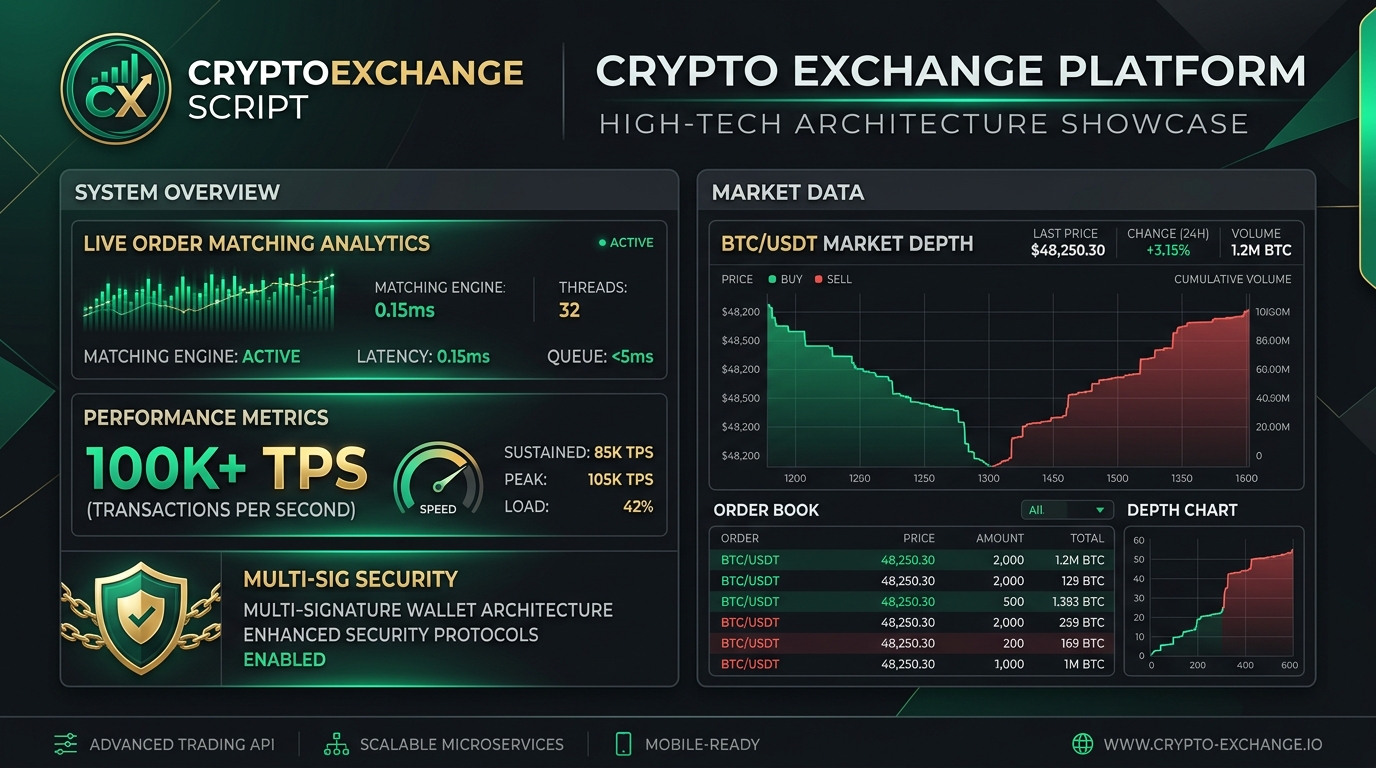
Trading volume on event-contract platforms is often uneven — a handful of high-interest markets (a major election, a widely watched economic release) can generate order-of-magnitude spikes in traffic compared to routine markets. Digitechzo architects for this pattern specifically:
Horizontal Partitioning
Horizontally scalable matching engine instances, partitioned by market, so a surge in one market doesn't degrade performance across the platform
Caching & Read Replicas
Caching and read-replica strategies for market data and order-book queries, which are read far more often than they're written
Queue-Based Processing
Queue-based processing for order submission during peak load, to preserve matching accuracy under pressure rather than sacrificing correctness for speed
Cost & Timeline Factors
Because "Kalshi clone script" pricing varies enormously based on scope, we outline the real cost drivers rather than quoting a flat number that wouldn't reflect your actual project:
Regulatory Model
Regulatory model (licensed exchange vs. offshore platform vs. on-chain market) significantly affects both compliance-tooling cost and legal overhead
Payment Rails
Payment rails — supporting both fiat and crypto roughly doubles the payments-integration workload compared to supporting one
Market Complexity
Market complexity — binary yes/no contracts are simpler to build than multi-outcome or continuous-range markets
Liquidity Tooling
Liquidity tooling — automated market-making adds meaningful engineering scope beyond a basic order book
Platform Surface Area
Platform surface area — web-only builds are faster to launch than web plus native iOS and Android apps
Compliance Depth
Compliance depth — full KYC/AML with ongoing transaction monitoring is a larger build than lightweight identity checks
Realistic MVP to Enterprise Timeline
A realistic MVP-scope build (web platform, core matching engine, basic KYC, single payment rail) generally takes several months of focused development; a full-featured platform with mobile apps, advanced compliance, and market-maker tooling takes longer. We provide a detailed, project-specific timeline and cost estimate after the discovery and scoping phase, because any estimate given before understanding your regulatory model and feature scope would not be reliable.
Why Choose Digitechzo for Kalshi Clone Script Development
Genuine Exchange Mechanics vs Payout Calculators
We build the actual exchange mechanics, not a payout calculator with a trading-app skin. Many "clone script" vendors deliver a fixed-odds betting interface relabeled as a prediction market. Digitechzo builds a genuine order-matching exchange because that is what differentiates a real prediction market platform from a betting product — and it's what regulators, serious traders, and market-maker partners will expect to see under the hood.
Resolution Integrity as a Core Engineering Problem
We treat resolution integrity as a core engineering problem, not an afterthought. Disputed or poorly documented market resolutions are one of the fastest ways a prediction platform loses user trust. We design the resolution workflow, audit logging, and dispute-handling process as first-class parts of the architecture.
Transparent Regulatory Reality
We are transparent about regulatory reality. We won't tell you the platform is "fully compliant" without knowing your jurisdiction and business model — and we recommend qualified legal counsel before launch. That honesty is part of how we protect your business, not a limitation of our service.
Architected for Scale from Day One
We architect for scale from day one, because prediction markets can spike unpredictably around high-interest events, and a platform that can't handle that spike loses exactly the users it most wants to keep.
Ongoing Support After Launch
We provide ongoing support after launch, since a trading platform is a living product that needs monitoring, iteration, and rapid response to issues — not a one-time delivery.
Who This Service Is For
This service is not the right fit for teams looking for an off-the-shelf, unmodified white-label product with no customization — Digitechzo builds platforms tailored to your specific market model, jurisdiction, and technical requirements.